Bring Your Web Design to Life with Baby Honey Font
As a web designer, I'm always on the lookout for fonts that can add a unique touch to my projects. Recently, I stumbled upon Baby Honey, a casual handwritten font that promises to elevate any design. Intrigued, I decided to test it out in a real website layout to see how it performs.
First Impressions: The Visual Charm of Baby Honey
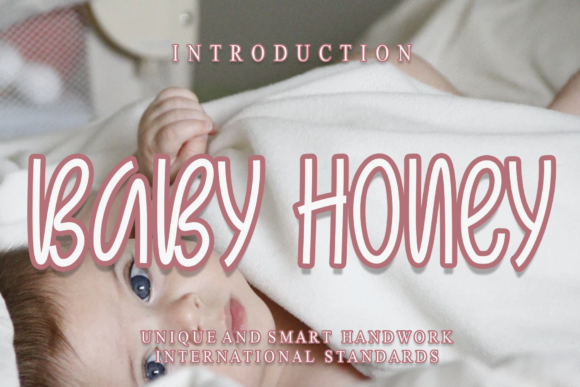
The first thing that struck me about Baby Honey is its visual personality. It has a warm, inviting, and slightly whimsical feel that makes it stand out. The handwritten style gives it a personal, human touch, which can be incredibly appealing for brands looking to connect with their audience on a more emotional level.
Testing in a Real Website Layout
I started by using Baby Honey in the hero section of a boutique online store. The font's playful yet elegant nature perfectly complemented the brand's aesthetic. Placing it over an image banner, I noticed how it added a layer of charm without overpowering the visuals. The font's readability was excellent, even at larger sizes, making it a great choice for headlines and call-to-action areas.
Responsive Design and Mobile Readability
One of the most important aspects of web design is responsiveness. I tested Baby Honey on various screen sizes, from desktops to mobile devices. On smaller screens, the font maintained its readability and charm. However, I did notice that for very small text, such as buttons or form labels, a cleaner, more legible font might be a better choice. For the most part, though, Baby Honey performed well across different devices.
Using Baby Honey in Different Web Elements
Beyond the hero section, I experimented with Baby Honey in other parts of the website. Here are some key takeaways:
- Headers and Section Titles: Baby Honey worked beautifully for main headers and section titles. Its distinct style helped create a clear visual hierarchy, guiding users through the content seamlessly.
- Call-to-Action Buttons: Using Baby Honey for CTA buttons added a touch of creativity and personality. However, for buttons with longer text, a simpler sans serif font might be more practical to ensure readability.
- Image Overlays: When used over images, Baby Honey stood out without clashing. It added a layer of sophistication and made the visuals more engaging.
- Blog Graphics and Social Media Posts: The font's handwritten style made it perfect for blog graphics and social media posts. It added a personal and relatable touch, making the content more shareable and engaging.
Font Pairing and Overall Brand Consistency
To maintain a balanced and professional look, I paired Baby Honey with a clean sans serif font for body text. This combination allowed the decorative elements of Baby Honey to shine while ensuring the overall content remained readable and accessible. For a more editorial feel, a simple serif font could also work well.
When considering the overall brand identity, Baby Honey can be a powerful tool. Its unique style can help establish a strong and memorable brand presence. However, it's important to use it judiciously. Overuse can make the design feel cluttered and unprofessional. By using it for key elements like logos, headings, and decorative accents, you can create a cohesive and visually appealing brand experience.
Final Considerations for Web Designers
Before incorporating Baby Honey into your web design projects, here are a few things to keep in mind:
- Check Included Styles and Formats: Make sure to review the available styles, alternates, and file formats. This will help you make the most of the font's versatility and ensure it meets your project's needs.
- Webfont Availability: Confirm that the font is available as a webfont. This is crucial for seamless integration and performance on your website.
- Multilingual Support: If your website targets a global audience, check if Baby Honey supports the languages you need. This can be particularly important for international brands.
- Commercial Licensing: Always verify the commercial licensing terms before using the font on client projects, online stores, or digital products. This ensures you're compliant and can use the font without any legal issues.
In conclusion, Baby Honey is a versatile and charming font that can add a unique touch to your web design projects. Its handwritten style and visual appeal make it a great choice for headers, call-to-action areas, and decorative elements. By using it thoughtfully and pairing it with complementary fonts, you can create a cohesive and engaging brand experience. Give it a try and see how it can bring your web designs to the next level.